Changing thesis & focus & ideas…
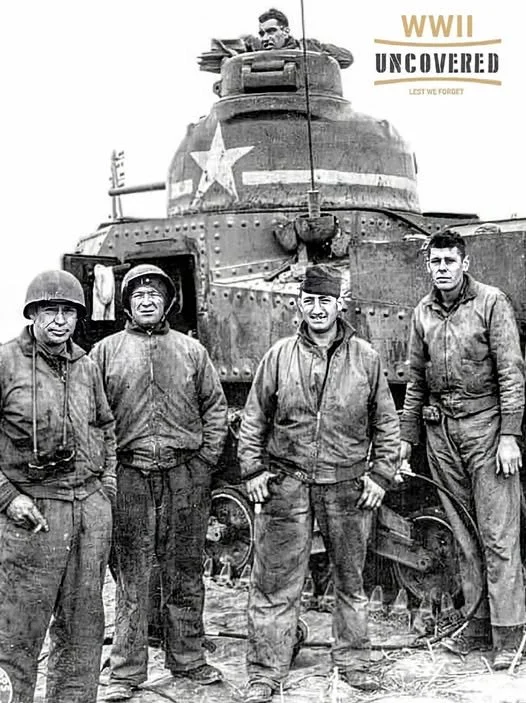
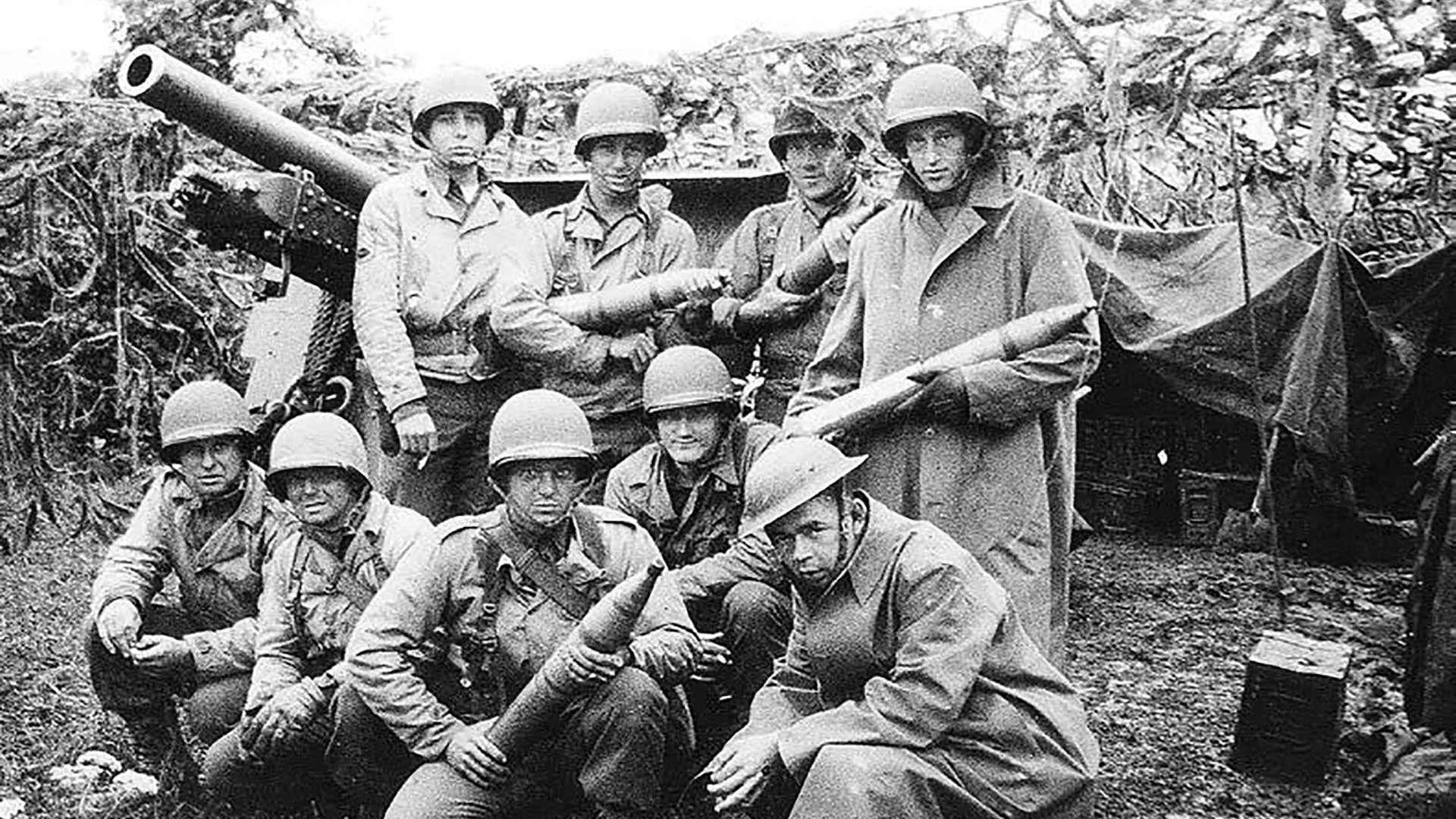
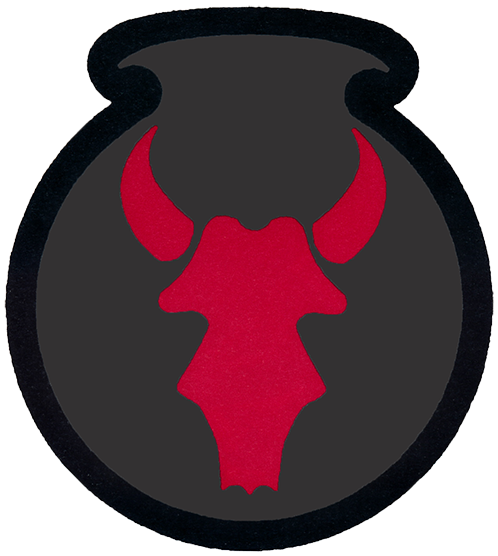
Over the past couple of months I have been incredibly focused on the 1st Infantry Division, I thought they were the best to focus on, “big red one”, old army traditions, etc.…(I was in the Army just long enough to develop a deep love of the history and heritage to be found in Army History). There came about a small problem though, I realized that the 1st ID didn’t fight together cohesively until well into the Tunisian campaign. Then I looked to the other Divisions; the 34th and the 9th. The same thing was true, so here I am now rethinking my entire thesis and focus and digging more into the 34th and 9th. The 34th is going to provide an incredibly interesting story, the “Red Bull” division. A National Guard unit (like my great-grandfather’s, the 45th) from Iowa, Minnesota, Nebraska, North & South Dakota, the 34th was later to be federalized than other divisions had been, becoming active in February of 1941. Like many other National Guard units of the time, they were understaffed, and badly undertrained. They also took place in the Louisiana Maneuvers of 1941 and acquitted themselves well. Elements of the division were the first boots on ground in Europe post Pearl Harbor, landing in Belfast in January of 1942. The rest of the division joined them for training in Ireland until they would be a part of Operation Torch, the Allied landings in North Africa. One of the more interesting stories of their time in Northern Ireland, the Artillery had to use British 25-pounders to train, as they had absolutely none of their own equipment.
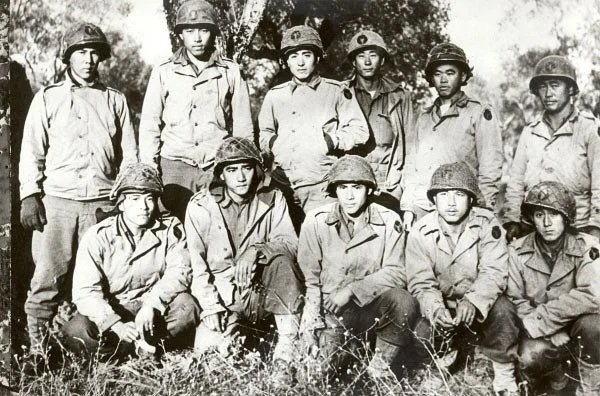
They would fumble their way through Torch and into Tunisia, in part due to any number of personnel issues, training, unknown. What can be said is that the 34th would pull it together and go on to fight over 500 days in World War II, with units such as the 442nd Regimental Combat Team, 100th Battalion, the most-awarded unit in US Army history. It is also known as the Nisei unit, as due to segregation, all those of Japanese descent were assigned to this unit. At wars end they would have 9 Medal of Honor recipients, nearly 100 Distinguished Service Crosses, and over a thousand Silver Stars. 15,000 men received Purple Hearts due to wounds received in combat.